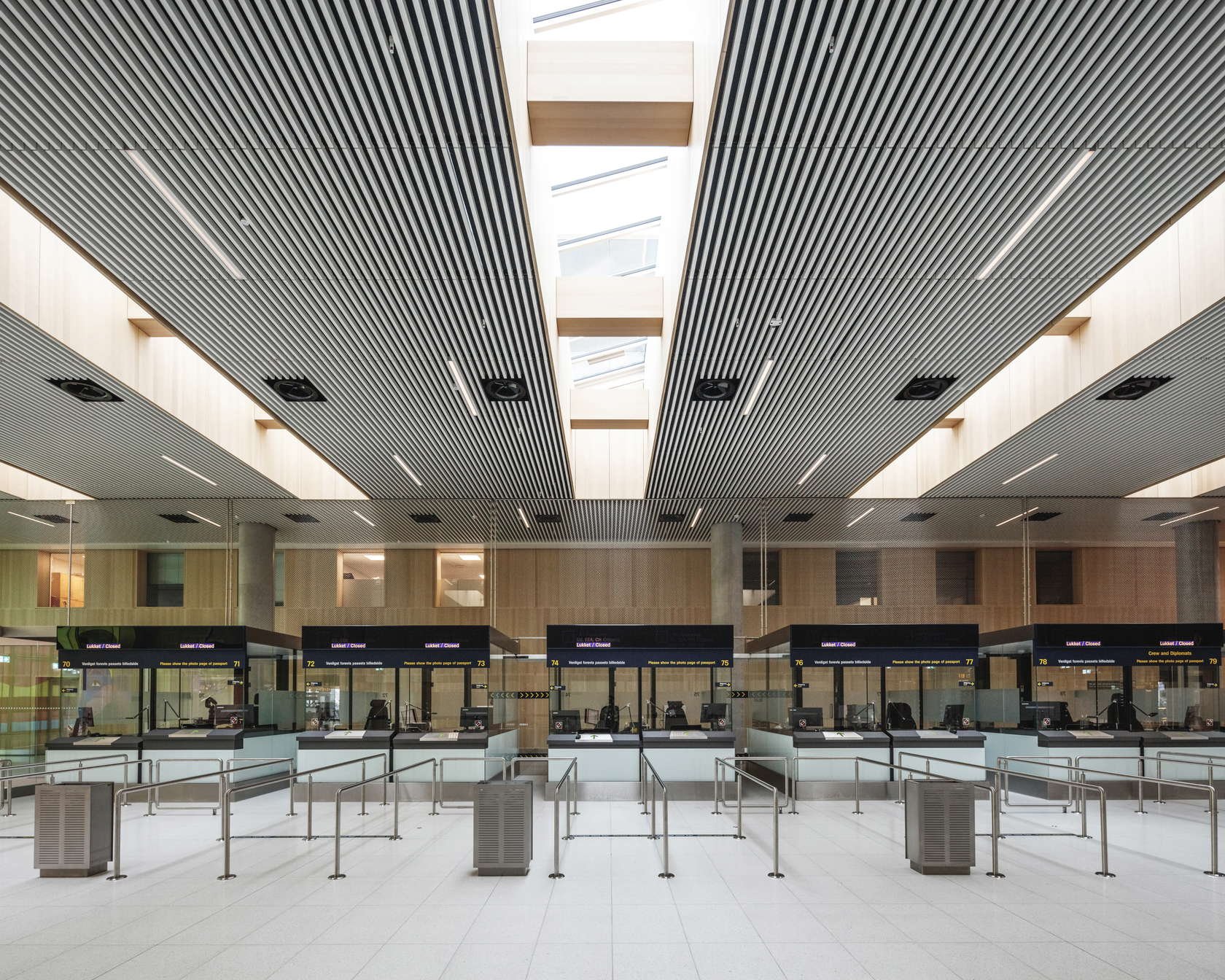
As IDEMIA's partner on the Entry/Exit System, Mirra operates and supports every EES unit across the Danish Realm — a role that grew out of years of working alongside the Danish Police.
In October 2025, the European Union began replacing the passport stamp with a fingerprint and a facial image, recorded at the border for every non-EU traveller entering the Schengen area. The Entry/Exit System, phased in over six months, is the largest change to Europe's external border in a generation.
In Denmark, the system was delivered by IDEMIA, the French identity group. The people who keep it running at Copenhagen Airport, and at every other crossing in the Danish Realm, come from a company of about 80 in Skovlunde, a short drive away. As IDEMIA's subcontractor, Mirra operates and supports every EES unit in the Danish Realm — 35 eGates, 103 TravelTotems and 92 TravelKiosks at 9 airports and 1 police station.
The arrangement is less unusual than it looks. Mirra had worked with the Danish Police on biometric enrolment for years before EES existed; passport applications from around 90% of Danish municipalities already pass through the police gateway on its systems. When a unit at the border needs attention, the officers see faces they know.
The task is less about installing equipment than about never letting it stop. A unit that fails at Copenhagen Airport on a Saturday in July is not a technical fault but a queue, and at an external Schengen border, a security question. Mirra's support runs around the clock, with remote access to every unit and technicians on call.
The same company's systems issue passports in the majority of Danish municipalities. At the border, the task is reversed: not creating identity, but checking it — 10 million times a year.